

Department of Chemical Engineering
The birthplace of chemical engineering, Manchester now leads with world-class facilities, research and teaching, empowering students to innovate, experiment and shape a better future.
Birthplace of chemical engineering.

From molecular science to large-scale solutions.

Industry‑relevant, multidisciplinary research.

Engineering sustainable industrial systems.

Multidiscplinary tools for a sustainable future
Our chemical engineers tackle complex global sustainability challenges and are recognised worldwide for championing the net zero agenda through future technologies.
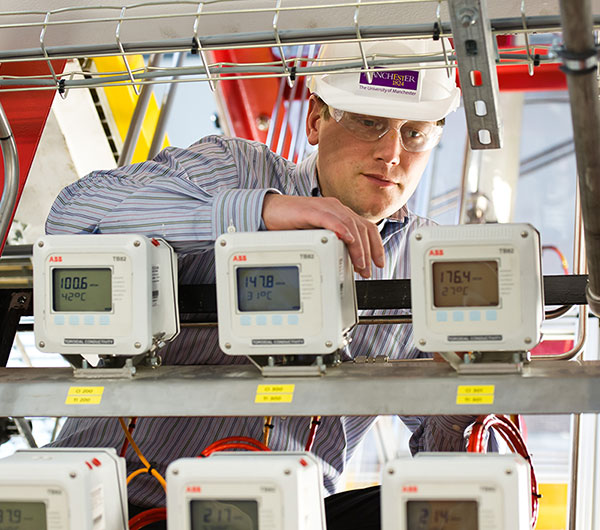
We produce the next generation of researchers, driving innovation across energy, environment and manufacturing. Students thrive in one of Europe’s largest pilot-scale labs, gaining hands-on experience and highly sought-after skills. All our courses are IChemE accredited, with strong industry links including BP, Akzo Nobel, Unilever and Shell.
Chemical engineering began here. Today, we design the systems that turn scientific insight into sustainable energy and products, and cleaner processes and technologies that quietly power everyday life at a global scale.
Professor Philip Martin - Head of Department

Study with us
Study in the Department of Chemical Engineering
Studying chemical engineering at The University of Manchester gives you the opportunity to learn at the birthplace of chemical engineering, within a Department recognised for its outstanding teaching where the curriculum is supported by dedicated pedagogy research, world-leading research and an Industrial Advisory Board to ensure our graduates leave with the skills they need to enter the workplace.
With access to one of Europe’s largest purpose-built pilot-scale laboratories and the University’s £400 million home of engineering and materials science, you will develop practical, hands-on experience alongside a strong academic foundation.
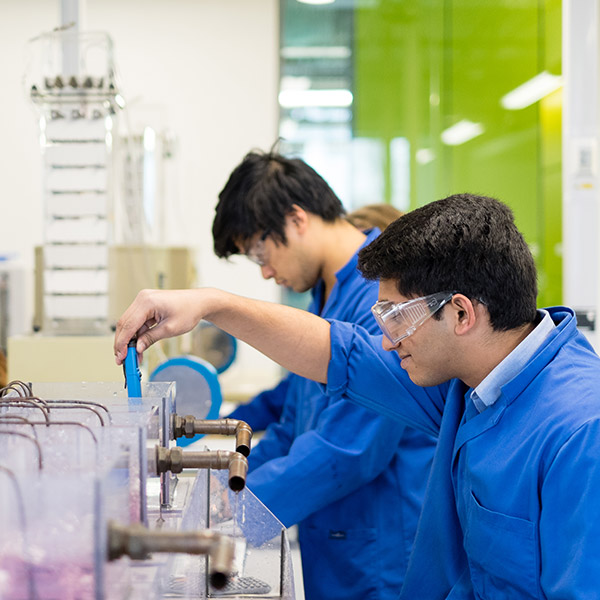
Chemical engineering study options
Undergraduate courses
Discover the undergraduate courses we offer in chemical engineering for the next intakes:
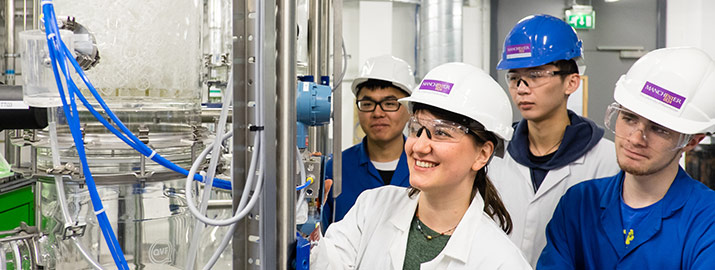
Taught master's courses
Discover the master's courses we offer in chemical engineering for the next intake:
2027 entry courses for chemical engineering masters students
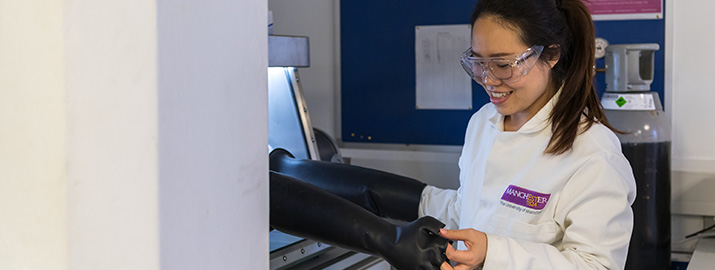
Postgraduate research
Our postgraduate research options include a range of PhDs as well as specific projects you can apply for.
Browse our degree list for postgraduate research programmes Find a project
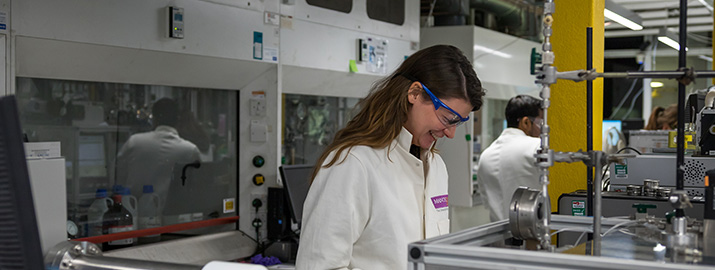
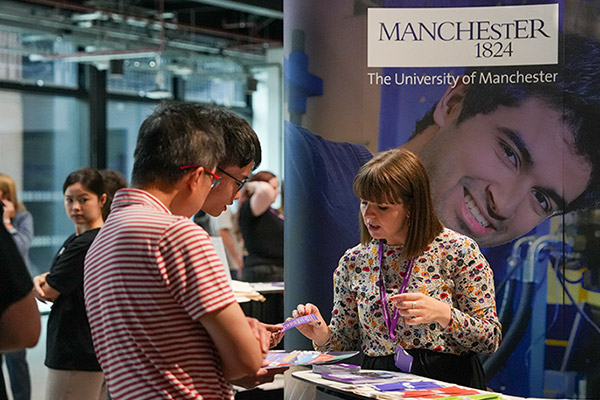
Register for our next undergraduate open day
Our next events are in October 2026.
Join us on 3 and 10 October 2026 for talks, tours and to discover whether studying at Manchester is right for you.
Discover open days and book Discover more about our upcoming open days and book to attend
Department research
Our expertise
Our research drives both theoretical and practical advancements across the foundational pillars of modern Chemical Engineering.
Through multidisciplinary collaborations, we aim to deliver impactful solutions for the economic, environmental, and social sustainability of global society.
Spanning eight core thematic areas - ranging from catalysis, advanced materials, and biotechnology to multiscale modelling - our work bridges the gap between fundamental scientific understanding and practical, real-world application. We invest heavily in pilot-scale facilities to empower our students, support our collaborators, and maximize the impact of our research.
Explore our key areas of activity, discover our research themes, and hear directly from some of our leading academics.
Our areas of research
Biotechnology and bioprocess engineering
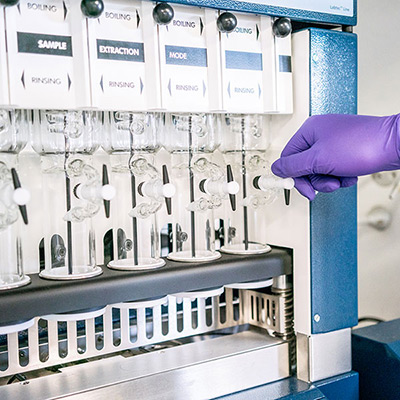
Our research brings together expertise including chemical and process systems engineering, industrial biotechnology, molecular and systems biology, and bioinformatics.
Through these collaborations, we design new bioprocesses, bioproducts and effective medicines from renewable sources, supporting sustainable production across the process-product chain.
Our holistic approach improves economic viability while helping prevent pollution and conserve resources.
Discover more about biotechnology and bioprocess engineering research
Catalysis and advanced materials
We pioneer porous media physics at Manchester, advancing understanding of flow, transport and reactions in complex materials for renewable energy systems, subsurface energy storage and recovery.
Through world-leading multiscale characterisation, reactive transport modelling and AI optimisation, supported by HPHT core-flooding, microfluidics, microCT and NMR labs, we deliver breakthrough hydrogen, CO₂ and thermal storage solutions that accelerate Net Zero.
Education innovation
We're transforming chemical engineering education by integrating technology, fostering interdisciplinary collaboration, and driving socially responsible innovation.
Our work focuses around redesigning the learning experience through hands-on, project-based education; exploring how to make assessment more meaningful; investigating how team-based and inclusive learning approaches can build stronger educational communities; designing and evaluating curriculum models that connect technical knowledge with the wider world; and examines how digital technologies can enhance how and what students learn.
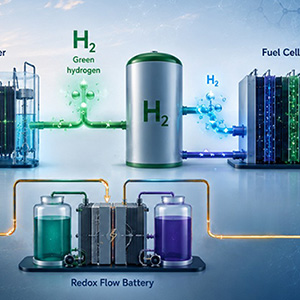
Electrochemical energy
We develop advanced materials and diagnostic tools that transform the performance of clean energy technologies. By combining innovative membrane and catalyst design with advanced characterisation and modelling, we improve the efficiency, durability, and scalability of fuel cells, redox flow batteries, and water electrolysers.
Our collaborative research accelerates the transition to sustainable, low-carbon energy systems with real-world impact.
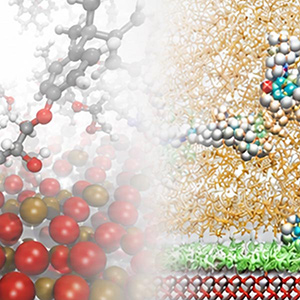
Multiscale modelling
We combine modelling, simulation and experiments to understand and improve materials, fluids and processes across multiple scales. Our research helps industry predict performance, reduce trial-and-error development, and design more effective products, manufacturing systems and separations in areas ranging from personal care and pharmaceuticals to carbon capture and advanced materials.
Nuclear energy and processes
Our nuclear research brings together expertise across science, engineering, policy and social research to address the sector’s most pressing challenges. From advanced fuels and materials to decommissioning, waste management, and energy systems, our work supports safer, more sustainable nuclear technologies and informs real-world decision-making through close collaboration with industry, government, and international partners.
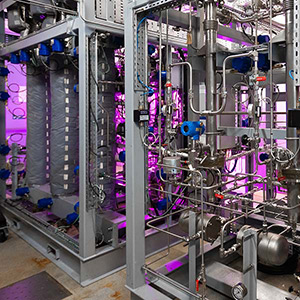
Process integration
Our work focuses on processes in the petroleum, petrochemical, chemical, pharmaceutical and food processing industries.
The emphasis is on a holistic approach to the process, rather than concentrating on individual operations, or the phenomena occurring in individual operations. Fundamental first principles solutions coupled with AI and machine learning are deployed to provide innovative solutions. The techniques have seen many thousands of successful industrial applications.

Subsurface energy systems
We deliver subsurface engineering solutions that power energy security and enable net zero. By integrating imaging, characterisation, modelling and experiments across scales, we unlock complex subsurface processes and turn science into real-world impact.
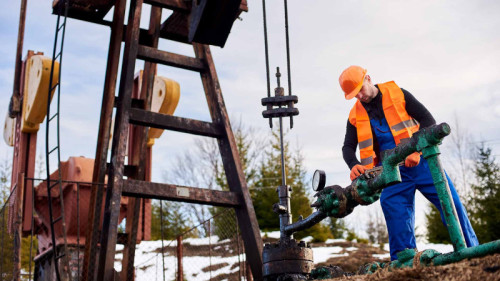
From hydrocarbon recovery to CO₂ and hydrogen storage, geothermal energy and waste management, our work ensures safer, more efficient and sustainable use of the subsurface—vital to the energy transition and environmental stewardship.

Sustainable industrial systems
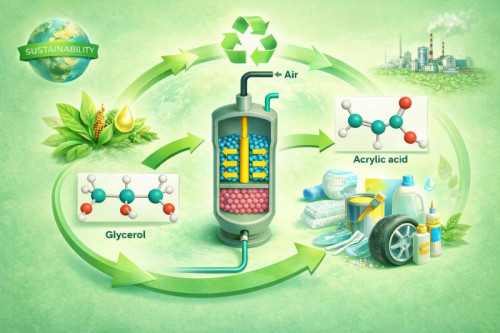
Our research identifies sustainable solutions across the full life cycle of industrial systems, from chemicals and energy to food and water.
Working with industry, government and NGOs, we combine life cycle assessment, economic analysis and social evaluation to drive real-world change. Our tools and frameworks support producers and policymakers in making decisions towards sustainable development.
Postgraduate research
Explore our postgraduate research programmes
The range of research programmes in our Department reflects the breadth of our research expertise.
Discover our available PhDs, MPhils and opportunities at our Centres for Doctoral Training:
- 2D Materials of Tomorrow CDT
- Advanced Functional Materials and Analytical Science MSc by Research
- Advanced Functional Materials and Analytical Science PhD / MPhil
- Biochemical and Bioprocess Engineering MSc by Research
- Biochemical and Bioprocess Engineering PhD / MPhil
- Catalysis and Porous Materials MSc by Research
- Catalysis and Porous Materials PhD / MPhil
- Chemical Engineering MSc by Research
- Chemical Engineering PhD / MPhil
- Materials 4.0 CDT
- Multi-scale Modelling MSc by Research
- Multi-scale Modelling PhD / MPhil
- Plutonium Ceramics Hub
- SATURN (Skills And Training Underpinning a Renaissance in Nuclear) CDT
- Sustainable Industrial Systems MSc by Research
- Sustainable Industrial Systems PhD / MPhil/>
Our research facilities, institutes and centres
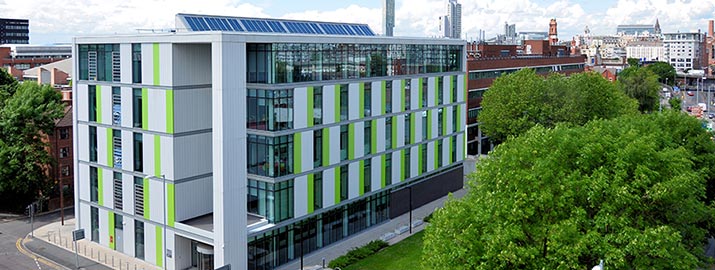
Industrial Hub for Sustainable Engineering
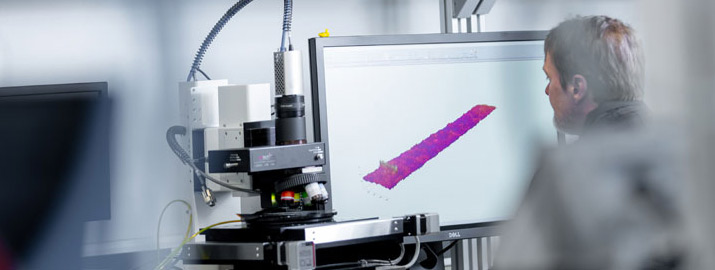
Based in the James Chadwick Building the hub offers advanced pilot plants, labs and workshops, enabling cutting-edge sustainable engineering research and collaboration between academia and industry.
Catalysis Laboratory
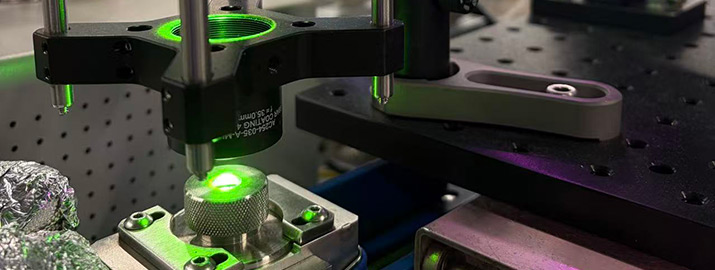
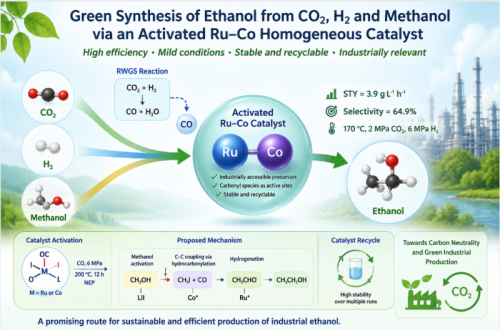
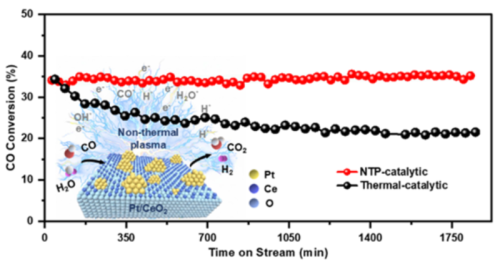
The Catalysis Laboratory develops advanced catalytic technologies for sustainable chemical and energy processes. Research activities include emissions control, CO₂ utilisation, biomass/renewables and polymer conversion, hydrogenation and clean energy. We combine state-of-the-art experimental techniques, modelling and pilot-scale facilities to understand reaction mechanisms and design more efficient catalytic processes.
Advanced Materials, Processes and Energy Systems Laboratory
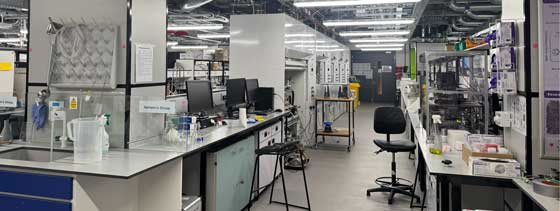
As one of the core chemical engineering research hubs in the Nancy Rothwell Building, the AMPES lab advances research across energy, environment and healthcare. Key focus areas include advanced water desalination, underground hydrogen storage, and pharmaceutical process development.
Analytical Services and Instrumentation
Student led analytical services for separations, elemental analysis and characterisation.
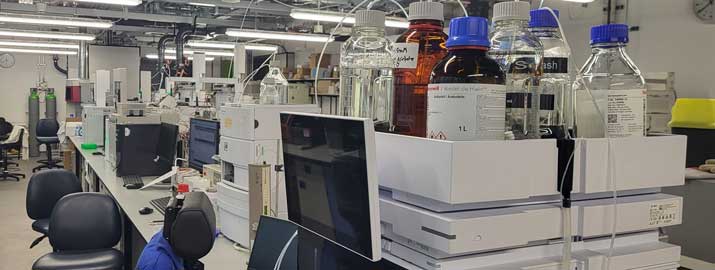
The Firs Environmental Research Station
The Firs Environmental Research Station is an urban oasis – a garden of the future where we tackle pressing issues from climate change and food security to environmental biotechnology.
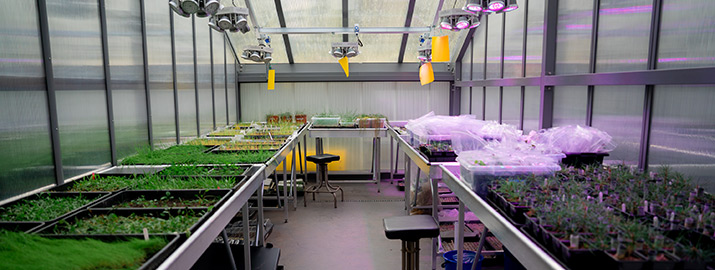
Manchester Institute of Biotechnology
The Manchester Institute of Biotechnology (MIB) is an internationally recognised hub for leading, cross-disciplinary work in biotechnology.
We specialise in developing disruptive bio-based technologies that will support the transition away from petrochemicals to more sustainable solutions.
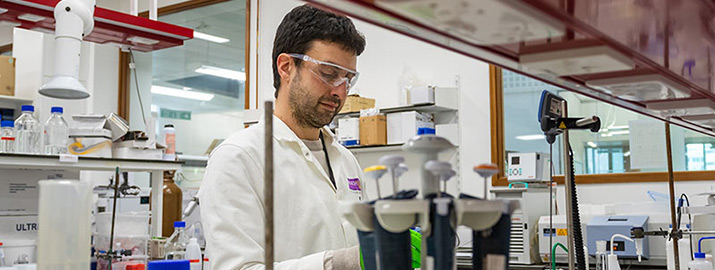
Dalton Nuclear Institute
The Dalton Nuclear Institute brings together the largest and most diverse nuclear research community in UK academia.
With a major portfolio of nationally significant facilities and collaborations, work at Dalton spans the full breadth of the nuclear field, from fundamental research through to real-world applications.
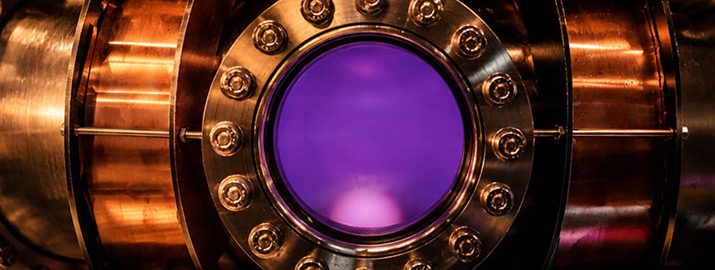
Photon Science Institute
The Photon Science Institute connects researchers across disciplines to develop and apply cutting-edge optical, imaging and spectroscopic technologies. Through collaborations spanning healthcare, advanced manufacturing, energy and environmental science, PSI offers Chemical Engineers opportunities to tackle real-world challenges with industrial and societal impact.
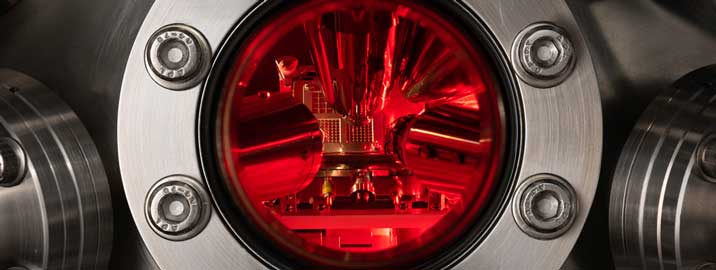
Henry Royce Institute
The Henry Royce Institute is the UK’s national institute for advanced materials research and innovation. Providing access to world-class research capabilities, infrastructure, expertise, and skills development, Royce works with the UK materials community to develop solutions to national and global challenges.
Over £150m of equipment is available, easy to access and technically supported.
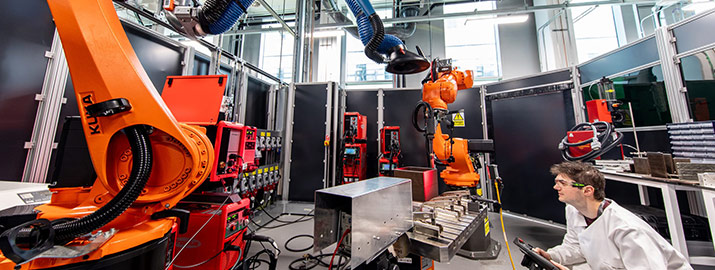
National Graphene Institute
The National Graphene Institute (NGI) brings together the leading edge of fundamental science in 2D materials and the very latest equipment and scientific expertise – presenting an unparalleled offer to industry partners.
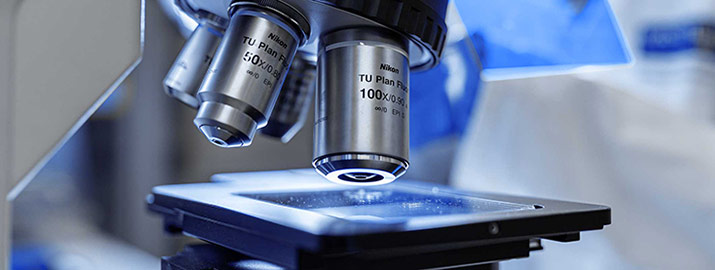
The University of Manchester at Harwell
Collocated with the Diamond Light Source - the UK’s national synchrotron and one of the most advanced scientific facilities in the world - Harwell is embedded within the national laboratory with a team providing expert experimental support, and a range of expertise in areas of extreme science.
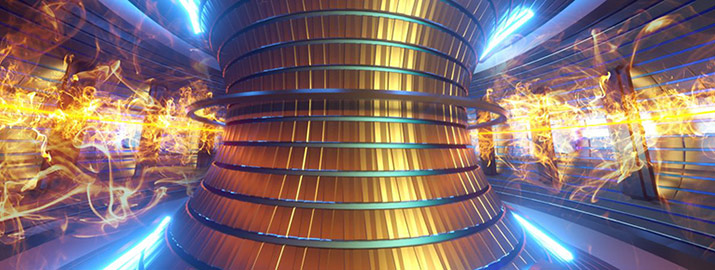
Graphene Engineering Innovation Centre
At the Graphene Engineering Innovation Centre (GEIC) we accelerate lab to market development, enabling companies to fast track Technology Readiness Levels and launch new technologies, products and processes that exploit the truly remarkable properties of graphene and other 2D materials.
Social responsibility
Engaging the community
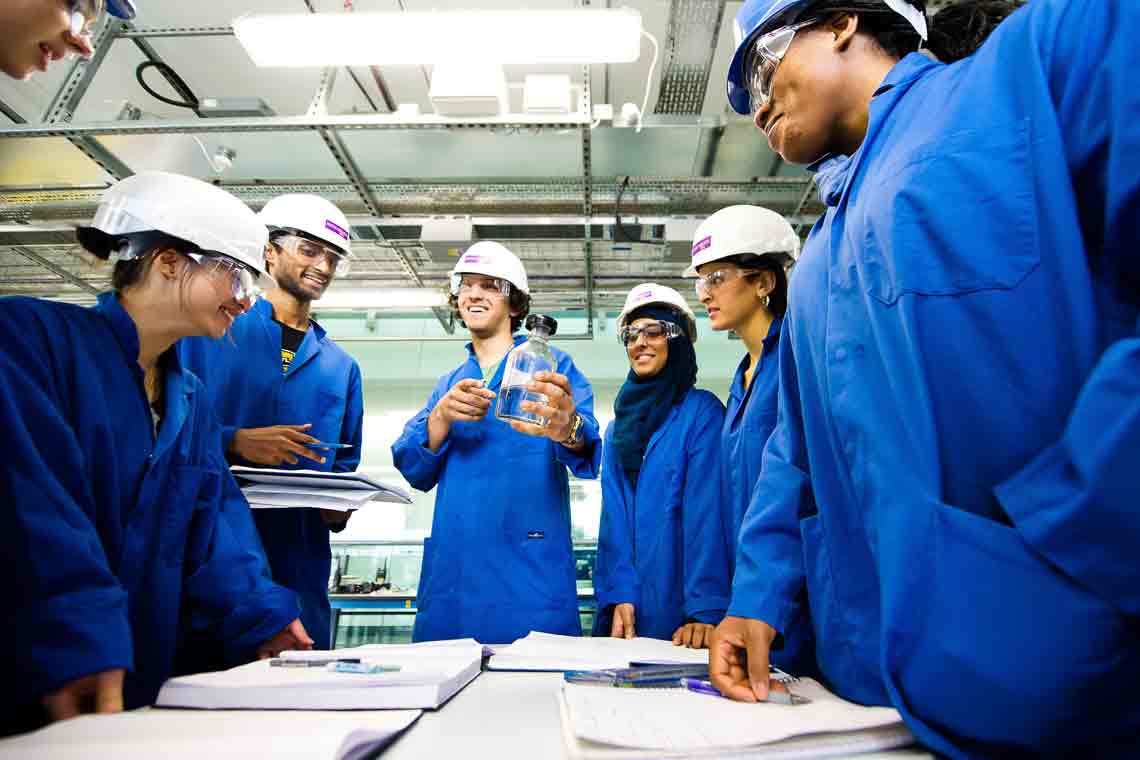
Sustainability underpins much of what we do in teaching and in research. For example, we study the energy transition, the circular economy, green chemistry and resource management.
Much of our outreach activity also covers these sustainability ideas in order to influence the next generation of chemical engineers.
Our people
- Hosam Aleem - Lecturer in Chemical Engineering
- Abdullatif Alfutimie - Senior Lecturer in Chemical Engineering
- Antonios Anastasiou - Lecturer in Chemical Engineering
- Carlos Avendano - Senior Lecturer in Chemical Engineering
- Adisa Azapagic - Professor of Sustainable Chemical Engineering
- Masoud Babaei - Senior Lecturer in Petroleum Engineering
- Nausheen Basha - Lecturer in Chemical Engineering
- Emily Cooksey - Senior Lecturer in Chemical Engineering
- Rosa Cuellar Franca - Senior Lecturer in Sustainable Chemical Engineering
- Robin Curtis - Senior Lecturer in Chemical Engineering
- Carmine D'Agostino - Senior Lecturer in Chemical Engineering
- Samuel De Visser - Reader in Computational Biocatalysis
- Alan Dickson - Professor of Biotechnology
- Jesus Esteban Serrano - Lecturer in Chemical Engineering
- Marta Falkowska - Dame Kathleen Ollerenshaw Fellow
- Xiaolei Fan - Reader in Chemical Engineering
- Dr Steph Flores - Dame Kathleen Ollerenshaw Fellow
- Claudio Fonte - Senior Lecturer in Chemical Engineering
- Peter Gardner - Professor of Analytical and Biomedical Spectroscopy
- Arthur Garforth - Professor of Catalysis
- Kathryn George - Dame Kathleen Ollerenshaw Fellow
- Chris Hardacre - Professor of Chemical Engineering
- Stuart Holmes - Professor of Chemical Engineering
- Harish Jeswani - Research Fellow
- Vahid Joekar - Niasar - Professor in Chemical Engineering
- Daniel Lee - Lecturer in Chemical Engineering
- Jie Li - Lecturer in Chemical Engineering
- Mauro Luberti - Lecturer in Chemical Engineering
- Lin Ma - Reader in Chemical Engineering
- Maryam Malekshahian - Lecturer in Chemical Engineering
- Peter Martin - Senior Lecturer in Chemical Engineering
- Philip Martin - Professor of Chemical Engineering and Head of Department
- Andrew Masters - Professor of Chemical Physics
- Aline Miller - Professor of Biomolecular Engineering
- Christopher Parlett - Diamond-Manchester Research Fellow in Catalysis
- Marloes Peeters - Professor in Engineering Biology
- Slobodan Perdan - Research Fellow
- Maria Perez - Page - Lecturer in Chemical Engineering
- Simon Perry - Senior Lecturer in Chemical Engineering
- Krishna Persaud - Professor of Chemoreception
- Ashwin Rajagopalan - Lecturer in Chemical Engineering
- Rahul Raveendran Nair - Professor of Materials Physics
- Thomas Rodgers - Senior Lecturer in Chemical Engineering
- Lev Sarkisov - Professor of Chemical Engineering
- Salman Shahid - Lecturer in Chemical Engineering
- Clint Sharrad - Professor in Nuclear Engineering
- Flor Siperstein - Professor of Molecular Engineering
- Robin Smith - Professor of Chemical Engineering
- Vincenzo Spallina - Reader in Chemical Engineering
- Laurence Stamford - Senior Lecturer in Sustainable Chemical Engineering
- Wennie Subramonian - Lecturer in Chemical Engineering
- Konstantinos Theodoropoulos - Professor of Chemical and Biochemical Systems Engineering
- Bernard Treves Brown - Senior Lecturer
- Percy Van Der Gryp - Senior Lecturer in Chemical Engineering
- Christopher William - EPSRC Research Fellow
- James Winterburn - Reader in Chemical Engineering
- Shaojun Xu - Dame Kathleen Ollerenshaw Fellow
- Dongda Zhang - Lecturer in Process Systems Engineering and Machine Learning
- Jiyizhe Zhang - Lecturer in Chemical Engineering
- Nan Zhang - Senior Lecturer in Chemical Engineering
- LIST NEEDED
- Roger Davey - Professor of Molecular Engineering
- Richard Dewhurst - Emeritus Professor
- John Perkins - Honorary Professor in Chemical Engineering
- Richard Snook - Professor of Analytical Science
- Gordon Tiddy - Chair In Formulation Engineering
- Colin Webb - Professor of Chemical Engineering
Connect with us
Latest Department news
Admissions queries
- UG Admissions - ug-chemeng@manchester.ac.uk
- Postgraduate Taught Admissions - pgt-chemeng@manchester.ac.uk
- Postgraduate Research (Doctoral) Admissions - doctoralacademy.admissions@manchester.ac.uk
General queries
- PA to the Head of Department - oea-ce@manchester.ac.uk
- Operational queries – ceops@manchester.ac.uk
- School and outreach events – wennie.subramonian@manchester.ac.uk
Business and research queries
- Get in touch to discuss your research or industry needs. Contact the Research Support Team - SoE_researchservices@manchester.ac.uk